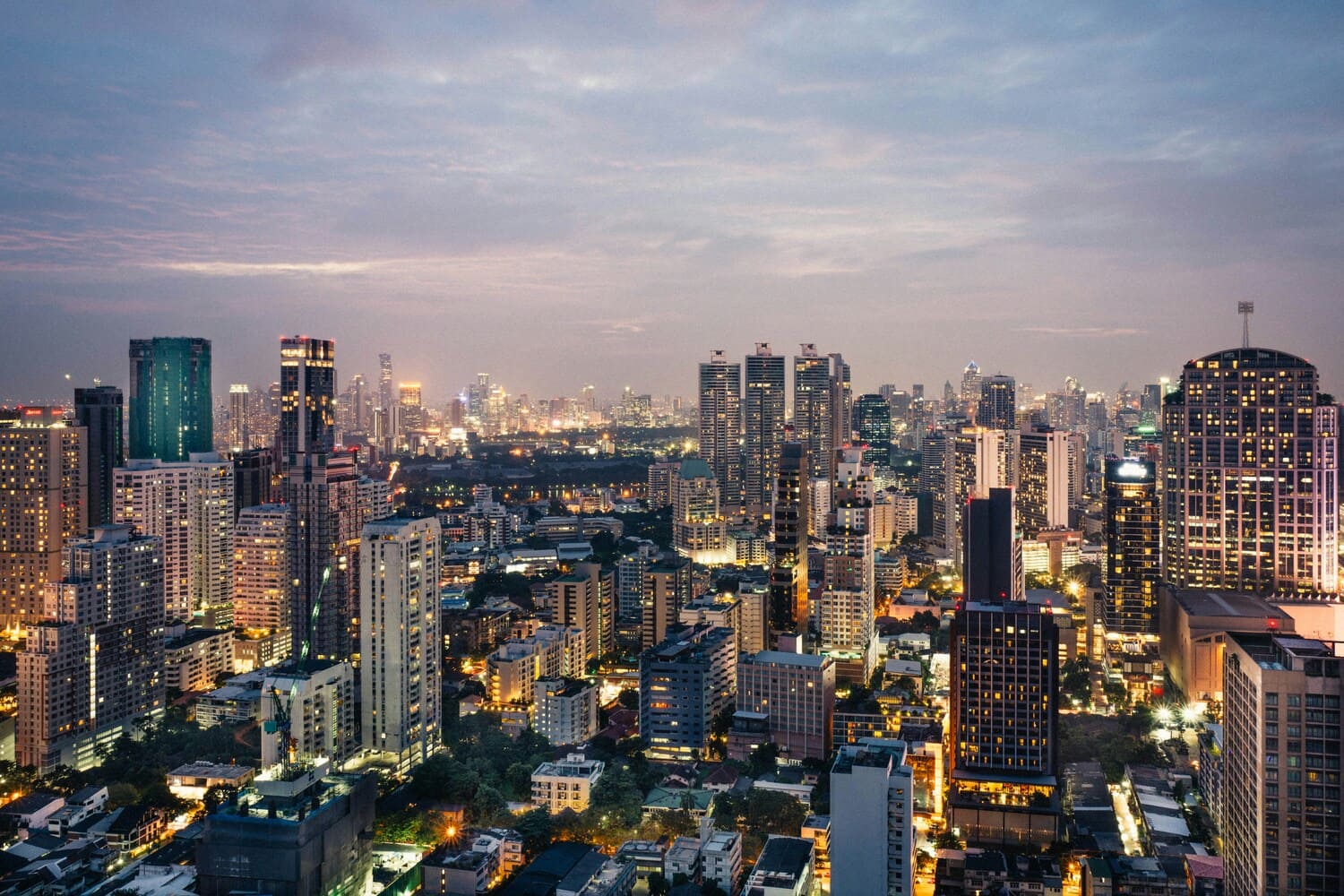
If you are planning your first visit to Southeast Asia and Thailand is your destination, this guide to your first trip to Thailand 2026 will give you everything you need to plan a trip that is genuinely well-matched to what the country offers. Thailand is one of the most visited destinations in the world, and for good reason — it combines ancient temple culture, extraordinary food, tropical coastlines, vibrant cities, and a warmth of hospitality that makes first-time visitors feel welcomed in a way that few other destinations can replicate.
That breadth of appeal is also what makes planning a first trip to Thailand genuinely complex. The country is large, regionally diverse, and capable of delivering completely different experiences depending on where you go, when you travel, and how you structure your time. A first-time visitor who spends two weeks in Bangkok and Chiang Mai will come away with a fundamentally different impression of Thailand than one who splits their time between the southern islands and a single northern city — and both will have experienced only a fraction of what the country contains.
This guide is written to give you a clear, honest, and practically useful foundation for your first trip. It covers entry requirements, the best time to visit, how to structure your itinerary, where to base yourself, what to expect from Thai culture, food, transport, health, and money — and the practical travel tips that make the difference between a good trip and an exceptional one. Read it before you book, and use it as a planning reference as your departure date approaches.
Why Thailand Belongs on Your 2026 Travel List
Thailand's appeal to first-time international travelers rests on a combination of factors that few destinations anywhere in the world can match simultaneously. The country offers world-class street food and fine dining, ancient Buddhist temple culture and modern urban energy, tropical beaches and mountainous northern landscapes, accessible adventure and genuine luxury — all within a single destination that is well-infrastructure for international visitors and relatively straightforward to navigate.
In 2026, Thailand continues to strengthen its position as one of Asia's premier travel destinations, with ongoing investment in tourism infrastructure, an expanding range of visitor experiences across all regions of the country, and a renewed focus on sustainable and culturally respectful tourism that benefits both visitors and local communities. The country's tourism sector is experienced, competitive, and genuinely motivated to deliver a high-quality experience to international visitors across a broad range of budgets and travel styles.
For a first-time visitor, Thailand also has the practical advantage of being one of the most well-documented travel destinations in the world. Information is abundant, local tourism infrastructure is mature, and the combination of English-language signage in major tourist areas, a well-developed domestic transport network, and a hospitality culture that takes visitor satisfaction seriously makes it a relatively forgiving destination for travelers who are new to Southeast Asian travel.
Entry Requirements for Thailand in 2026
Thailand's entry requirements vary by nationality, and verifying the specific conditions that apply to your passport is one of the first practical steps in planning your trip. Citizens of many countries — including most European nations, the United States, the United Kingdom, Australia, Canada, and a broad range of other nationalities — can enter Thailand for tourism without a prior visa under the country's visa exemption scheme, typically for stays of up to 30 days, though this has been extended in certain periods and for certain nationalities.
Travelers from countries not covered by Thailand's visa exemption arrangements will need to apply for a tourist visa before departure through a Thai embassy or consulate in their home country. The Tourist Visa (TR) allows stays of up to 60 days and can be extended once by 30 days at an immigration office within Thailand. Processing times, required documents, and fees vary by country of application, and beginning the visa process well in advance of your planned departure is strongly recommended.
Regardless of nationality, all visitors arriving in Thailand must hold a valid passport with at least six months of remaining validity beyond their intended departure date, a confirmed onward or return ticket, and proof of sufficient funds for the duration of their stay. Immigration officers at Suvarnabhumi Airport and other entry points enforce these requirements, and arriving without any of them can result in denial of entry.
All tourists must also complete the Thailand Digital Arrival Card (TDAC) before departure. If you want the form checked and your card processed without navigating government sites alone, you can start your TDAC application here and receive your confirmation by email.
Thailand also offers a Thailand Elite Visa and a Long-Term Resident Visa for travelers planning extended stays, and a digital nomad visa for remote workers. These are beyond the scope of a standard first-trip guide, but travelers planning stays longer than 30 to 60 days should research the appropriate visa category before finalizing their travel arrangements.
When to Visit Thailand for the First Time
Thailand's climate is one of the most important planning factors for any first-time visitor, and understanding how it varies by region and by season is essential to choosing travel dates that match your expectations and planned activities.
The country has three broad seasons: the cool dry season from November through February, the hot dry season from March through May, and the wet season from June through October. These seasons apply broadly to the central and northern regions, but the southern peninsula has its own weather pattern — with the Gulf of Thailand coast and the Andaman Sea coast experiencing their wet seasons at different times of year, which means that somewhere in Thailand is always in good condition for beach travel.
For most first-time visitors, the cool dry season from November through February is the most comfortable and recommended period to travel. Temperatures across the country are at their most pleasant — warm but not oppressive — humidity is low, rain is minimal, and the conditions for both cultural exploration in the north and beach travel in the south are at their best simultaneously. This is also the peak tourist season, which means higher prices and more crowded popular sites, but for a first trip the climate reliability makes the trade-off worthwhile.
The shoulder months of March and October offer a compromise — somewhat lower visitor numbers, reasonable prices, and conditions that are still manageable in most regions if itineraries and expectations are calibrated accordingly. Traveling during the full wet season requires more flexibility and planning but can deliver a richer, quieter, and more locally authentic experience for travelers who are prepared for afternoon rain and the occasional itinerary adjustment.
How Long to Stay for a First Trip
Thailand rewards time. The country is large, regionally diverse, and full of experiences that require unhurried engagement to fully appreciate — and first-time visitors who try to cover too much territory in too little time typically leave feeling that they have seen the surface of many places rather than the substance of any.
For a first trip, two to three weeks is the practical minimum for a visit that covers both the cultural north and either the central region around Bangkok or the southern islands without feeling rushed. Three weeks gives you enough time to spend meaningful days in Bangkok, make a proper visit to Chiang Mai and the north, and finish with a week or more on the southern coast or islands.
Travelers with only ten days to two weeks should resist the temptation to cover the entire country and instead choose two or three regions to explore properly. A focused trip built around Bangkok and Chiang Mai, or around Bangkok and one island destination, will produce a more satisfying and memorable experience than an itinerary that attempts to include everything and does justice to nothing.
Where to Base Yourself: Thailand's Main Regions
Thailand divides naturally into several distinct regions, each with its own character, climate, and range of experiences. Understanding what each region offers before choosing your itinerary is the most important planning decision you will make for a first trip.
Bangkok is the unavoidable starting point for almost every first trip to Thailand. The capital is one of Southeast Asia's great cities — a sprawling, energetic, and endlessly surprising urban environment where ancient temples sit beside luxury malls, street food carts operate in the shadow of five-star hotels, and the Chao Phraya River connects a waterfront of royal palaces, local markets, and neighborhood life that rewards days of exploration. Plan at least three to five days in Bangkok and resist the instinct to leave too quickly.
Chiang Mai and the north offer a completely different face of Thailand — a cooler, more relaxed city surrounded by mountains, hill tribe villages, ancient temples, jungle trekking, cooking schools, and a deeply rooted Buddhist cultural life that feels meaningfully different from the urban energy of Bangkok. Chiang Mai is one of the most livable and visitor-friendly cities in Southeast Asia, and most first-time travelers who spend time there wish they had allocated more of it.
The Gulf of Thailand coast — including Koh Samui, Koh Phangan, and Koh Tao — offers the classic Thai island experience: warm, clear water, white sand beaches, coconut palms, and a range of accommodation from budget beach huts to high-end resort villas. Koh Tao is particularly well regarded for diving and snorkeling, with accessible, affordable dive schools and some of the best beginner dive conditions in Southeast Asia.
The Andaman Sea coast — including Phuket, Krabi, Koh Lanta, and the Phi Phi Islands — is Thailand's most visually dramatic coastal region, with limestone karst formations rising from turquoise water, spectacular beaches, and a tourist infrastructure that ranges from the highly developed resort areas of Phuket to the quieter, more intimate character of Koh Lanta. This coast is at its best between November and April when the Andaman Sea is calm and clear.
Top Experiences for First-Time Visitors to Thailand
Thailand's breadth of experience means that a first trip can be shaped around almost any combination of culture, adventure, food, relaxation, or spiritual exploration. The following represent the experiences that most consistently define a meaningful first encounter with the country.
- Explore Bangkok's temples and waterways: Wat Pho, Wat Arun, and the Grand Palace complex are among the most remarkable architectural and cultural sites in Southeast Asia. Combine temple visits with a longtail boat ride on the Chao Phraya and its canals for a perspective on Bangkok that the streets alone cannot provide.
- Eat your way through Bangkok's street food scene: Bangkok is arguably the world's greatest street food city, and exploring its markets, food courts, and neighborhood eateries is one of the most rewarding and accessible cultural experiences available anywhere in Asia. Yaowarat (Chinatown), the streets around Silom, and the Or Tor Kor market in Chatuchak are essential stops.
- Spend time in Chiang Mai: Visit Doi Suthep temple above the city, take a Thai cooking class, explore the Sunday Walking Street market, and spend at least one day exploring the hill tribe villages and jungle landscapes of the surrounding mountains on a guided day trip.
- Learn to dive or snorkel in Koh Tao: The waters around Koh Tao offer some of the most accessible and affordable beginner dive conditions in the world, with warm, clear water, diverse marine life, and a concentration of reputable dive schools that makes obtaining an open water certification both practical and enjoyable during a first trip.
- Take a boat through Phang Nga Bay: The limestone karst formations of Phang Nga Bay — accessible from Phuket or Krabi — are among the most spectacular natural landscapes in Thailand and one of the most photographed seascapes in Southeast Asia. A day trip by traditional longtail boat or kayak through the bay's sea caves and mangrove channels is an experience that no photograph fully prepares you for.
- Visit a traditional Thai market: Whether the Chatuchak Weekend Market in Bangkok, the Sunday Walking Street in Chiang Mai, or a local floating market in the central region, traditional markets give you the most direct and unmediated access to Thai food culture, craft, and daily life available during a standard tourist itinerary.
- Experience a Thai massage: Traditional Thai massage is a genuine cultural institution with a centuries-long history rooted in Ayurvedic and Buddhist healing traditions. Having a proper traditional massage at a reputable school or temple-affiliated practice — rather than a tourist-oriented street operation — is one of the most distinctively Thai experiences available.
Thai Culture: What Every First-Time Visitor Should Understand
Thailand is a country with a deeply rooted and genuinely observed cultural and religious identity, and first-time visitors who take the time to understand and respect its core values will find that the quality and depth of their experience improves significantly as a result. Thai culture is not a performance for tourists — it is a living framework of values and practices that shapes daily life across the country.
Buddhism is the dominant religion in Thailand, and the country's approximately 40,000 temples are active places of worship and community life, not primarily tourist attractions. Dress modestly when visiting temples — shoulders and knees covered for both men and women — remove your shoes before entering any temple building, and conduct yourself with the quietness and respect that a place of active religious practice deserves. These expectations are not excessive and are not negotiable.
The Thai monarchy is regarded with profound respect by the Thai people, and the country's lèse-majesté laws make any public criticism or disrespect toward the royal family a serious legal matter. International visitors should be aware of this reality and conduct themselves accordingly. This is not a cultural curiosity — it is a legal framework that applies to everyone on Thai soil.
The concept of "saving face" — maintaining dignity and avoiding public confrontation or embarrassment — is central to Thai social interaction. Expressing frustration, raising your voice, or engaging in public confrontation is culturally inappropriate and counterproductive in almost any situation. Patience, a calm demeanor, and a willingness to resolve difficulties through polite and indirect communication will serve you far better than the direct assertiveness that may be normal in your home culture.
The traditional Thai greeting — the wai, a slight bow with hands pressed together — is a gesture of respect that foreigners are not obligated to initiate but should return when offered. Using basic Thai greetings and expressions of thanks demonstrates cultural respect and is consistently received with warmth by Thai people regardless of how imperfect your pronunciation may be.
Food: One of the Greatest Reasons to Visit Thailand
Thai cuisine is one of the most celebrated and globally influential food cultures in the world, and experiencing it properly — beyond the pad thai and green curry that represent the internationally familiar surface of a vastly deeper culinary tradition — is one of the most genuinely rewarding aspects of any first trip to the country.
Regional variation is one of the most important things to understand about Thai food. The cuisine of Bangkok and the central region — characterized by coconut-based curries, fragrant jasmine rice, and the balance of sweet, sour, salty, and spicy that defines central Thai cooking — is distinct from the dishes of the north, where influences from neighboring Myanmar and Yunnan province produce a cooking style built around fermented flavors, sticky rice, and dishes like khao soi, a coconut curry noodle soup that is one of the most complex and satisfying things you will eat anywhere in Southeast Asia. The cuisine of the south is hotter, more intensely spiced, and heavily influenced by Malay and Indonesian traditions, reflecting the region's geographic and cultural position.
Eating well in Thailand requires moving beyond hotel restaurants and tourist-oriented menus. The best Thai food is consistently found at street stalls, local markets, and neighborhood restaurants where the menu is short, the kitchen is visible, and the clientele is primarily local. A willingness to eat where Thais eat — even when the environment feels unfamiliar — is the single most reliable route to the food experiences that travelers remember for years after returning home.
Getting Around Thailand
Thailand has a well-developed domestic transport network that makes moving between regions relatively accessible for international visitors, though the distances involved and the range of transport options available mean that planning your inter-city and inter-regional movement carefully before you arrive will save significant time and frustration.
Domestic flights are the fastest and often the most practical option for long-distance travel within Thailand — Bangkok to Chiang Mai, Bangkok to Phuket, or Chiang Mai to the southern islands. Thailand's domestic airline market is competitive, and booking in advance produces meaningfully better fares than purchasing close to the travel date. Bangkok has two airports — Suvarnabhumi handles most international and some domestic routes, while Don Mueang handles budget domestic carriers — and confirming which airport your domestic flight uses is an important logistical step that many first-time visitors overlook.
Overnight trains between Bangkok and Chiang Mai are a well-regarded alternative to flying for travelers with more time and an interest in the journey itself. The State Railway of Thailand operates sleeper services on this route that are comfortable, scenic, and significantly more affordable than flights, arriving in Chiang Mai in the morning after an overnight journey.
Within cities, ride-hailing apps — particularly Grab, which operates across Thailand — are the most reliable and transparent way to get around for international visitors. They provide fixed fares displayed before you confirm the booking, eliminate the negotiation and occasional overcharging that can affect metered taxi experiences, and work effectively in all major Thai cities. In Bangkok, the BTS Skytrain and MRT subway systems cover the main tourist and business districts efficiently and are simple to use with tourist day passes available at station counters.
Health and Safety Preparation for Thailand
Thailand is a safe and well-organized destination for international travelers by regional standards, but health preparation is a genuine priority for any first-time visitor and should be addressed seriously in the weeks before departure.
Consult your doctor or a travel health clinic at least four to six weeks before departure to review recommended vaccinations for Thailand. Hepatitis A and typhoid are commonly recommended for travelers who plan to eat at local markets and street stalls — which should be most travelers, given the quality of Thai street food. Hepatitis B, Japanese encephalitis, and rabies vaccinations may be recommended depending on your planned activities, length of stay, and individual health history. Routine vaccinations should be confirmed as current before any international travel.
Malaria is present in certain forested border regions of Thailand — particularly along the borders with Myanmar, Cambodia, and Malaysia — but is not a significant risk in the main tourist destinations including Bangkok, Chiang Mai city, and the major southern islands. Consult your travel health clinic for current risk assessment based on your specific itinerary rather than relying on general country-level guidance.
Dengue fever is a more widespread concern across Thailand, transmitted by daytime-biting mosquitoes present in urban as well as rural areas. Apply insect repellent containing DEET or picaridin during daytime hours, particularly during the wet season and in areas with standing water or significant vegetation. There is currently no broadly available vaccine for dengue for international travelers, making personal protection measures the primary line of defense.
Food and water safety requires consistent attention throughout your trip. Drink bottled or purified water consistently — tap water in Thailand is not safe to drink. Eat at busy, high-turnover food stalls and restaurants where food is cooked fresh to order and served hot. Avoid raw shellfish, unpeeled fruit, and foods that have been sitting at room temperature for extended periods. Carrying oral rehydration sachets and antidiarrheal medication in your travel health kit is a practical precaution for any visitor to Southeast Asia.
Money, Budgeting, and Payments in Thailand
Thailand uses the Thai baht (THB) as its currency. ATMs are widely available throughout the country, including in smaller towns and tourist areas, and most machines accept international Visa and Mastercard debit and credit cards. ATM fees for international cards are charged per transaction by Thai banks and can add up over the course of a trip — withdrawing larger amounts less frequently is the most cost-effective approach.
Cash remains important for day-to-day spending in Thailand, particularly at street food stalls, local markets, smaller guesthouses, tuk-tuk and motorbike taxi fares, and any context away from the main tourist and commercial infrastructure. Credit cards are accepted at major hotels, upmarket restaurants, shopping malls, and some tour operators, but the cash-first reality of most of Thailand's day-to-day economy means that keeping an adequate supply of baht in accessible denominations is essential throughout your trip.
Thailand spans a very wide range of possible travel budgets. Budget travelers can live comfortably on street food, guesthouses, and local transport for a very modest daily spend. Mid-range travelers who mix quality guesthouses and boutique hotels with a combination of street food and sit-down restaurants will find Thailand excellent value by the standards of most international destinations. Luxury travel in Thailand — particularly in Bangkok and the major island resorts — is available at price points that are significantly lower than comparable quality in Europe, North America, or Northeast Asia.
A Flexible First Itinerary for Thailand
The following framework is designed as a starting point for a two-week first trip that covers Bangkok, Chiang Mai, and one southern island destination. Adjust based on your own pace, interests, and the time available.
- Days 1–2 — Arrive in Bangkok: Land at Suvarnabhumi Airport, check into your accommodation, and keep the first evening relaxed. Use Day 2 to orient yourself — a Chao Phraya river boat tour covers the waterfront landmarks efficiently and gives you immediate context for the city.
- Days 3–4 — Bangkok Temples and Street Food: Visit Wat Pho, Wat Arun, and the Grand Palace in the morning when they are at their least crowded. Spend the afternoon exploring Yaowarat (Chinatown) and eat your way through its evening street food scene. Reserve one morning for the Chatuchak Weekend Market if your dates align.
- Days 5–7 — Chiang Mai: Fly or take the overnight train to Chiang Mai. Spend your first morning visiting Doi Suthep temple above the city, your second day on a guided day trip to the surrounding mountains and hill tribe villages, and your third afternoon in a Thai cooking class followed by the Sunday Walking Street market if timing allows.
- Days 8–9 — Transition South and Island Arrival: Fly from Chiang Mai to your chosen southern island destination. Use the first full day to settle in, find your beach rhythm, and explore the immediate area around your accommodation without over-planning.
- Days 10–13 — Southern Islands: Dedicate these days to the coast — swimming, snorkeling, a boat trip through Phang Nga Bay or the surrounding islands, a dive session if Koh Tao is your base, and at least one full day on a quieter beach away from the main tourist area.
- Day 14 — Depart: Most international departures from southern Thailand route through Bangkok's Suvarnabhumi Airport. Build in adequate transfer time — a morning flight from the island to Bangkok followed by an evening international departure is a common and manageable structure for the final day.
Common Mistakes First-Time Visitors Make in Thailand
⚠️ Avoid These First-Timer Mistakes in Thailand
- Do not try to cover the entire country on a first trip — Thailand is large and regionally diverse, and doing justice to two or three regions is far more rewarding than rushing through six or seven.
- Do not visit temples in inappropriate clothing — dress code requirements at Thai temples are strictly observed, and arriving without covered shoulders and knees will result in being turned away or required to rent covering garments at the entrance.
- Do not rely exclusively on tourist-oriented restaurants — the best Thai food is consistently found at local street stalls and markets, and eating only from English-language menus designed for international visitors means missing most of what makes Thai food exceptional.
- Do not underestimate Bangkok — many first-time visitors treat it as a transit stop on the way to beaches or mountains and allocate only one or two days. Bangkok is one of Southeast Asia's great cities and deserves at least three to five days of genuine engagement.
- Do not ignore the difference between Thailand's two coastal seasons — the Gulf of Thailand coast and the Andaman Sea coast have different wet and dry periods, and choosing the wrong coast for your travel dates can result in poor weather conditions that significantly affect the experience.
- Do not drink tap water anywhere in Thailand — bottled or purified water is the standard and should be used consistently throughout your trip, including for brushing teeth in areas where water quality is uncertain.
- Do not handle, photograph, or make disrespectful comments about images of the Thai royal family — lèse-majesté laws in Thailand are actively enforced and apply to international visitors without exception.
- Do not leave health preparation until the week before departure — some recommended vaccinations for Thailand require multiple doses over several weeks to reach full effectiveness.
Final Pre-Departure Checklist for Thailand
- Verify the current entry requirements and visa conditions for your nationality at least six weeks before departure.
- Confirm your passport has at least six months of validity remaining beyond your intended return date.
- Consult your doctor or a travel health clinic at least four to six weeks before travel to review recommended vaccinations.
- Purchase comprehensive travel insurance that includes medical expense coverage, emergency evacuation, and trip cancellation protection — and confirm that any planned activities such as diving or motorbike riding are covered.
- Book domestic flights within Thailand in advance, particularly for travel between Bangkok and Chiang Mai or Bangkok and the southern islands during the high season.
- Download the Grab app and confirm your payment method before arrival for reliable in-city transport across all major Thai destinations.
- Notify your bank and payment card providers of your travel dates and destination before departure.
- Pack lightweight, modest clothing appropriate for temple visits as well as beach and outdoor activity days.
- Include insect repellent with DEET or picaridin, oral rehydration sachets, antidiarrheal medication, and a quality sunscreen in your travel health kit.
- Research the seasonal weather conditions for each region of your itinerary and confirm that your travel dates align with good conditions at each destination.
- Build genuine flexibility into your itinerary — Thailand consistently rewards travelers who leave room for unexpected discoveries and resist the pressure to optimize every hour.
Thailand in 2026: Ready for Your First Visit
Thailand is a destination that delivers on its reputation — and then exceeds it in ways that first-time visitors consistently do not anticipate. The food is better than you expect. The temples are more moving. The landscapes are more varied. The warmth of the people is more genuine. And the gap between what you can experience and what a poorly planned trip actually delivers is wider in Thailand than in almost any other destination in the world.
Plan with care, prepare with honesty about what the country requires of its visitors, choose your regions based on your actual interests rather than the most common itinerary, and leave room for the unplanned moments that define the best travel experiences anywhere. Thailand in 2026 is a country that has been welcoming international visitors for generations and has developed a genuinely sophisticated understanding of what makes a first trip transformative rather than merely pleasant.
The preparation happens before departure. The experience — one of the richest available to any international traveler — happens in Thailand.
Written by
James Walcott
Senior Travel Writer
James has been covering Caribbean travel, immigration, and culture for over 8 years. Based between Bridgetown and London, he specializes in making complex travel processes easy to understand.

Thailand Visa and Entry Guide 2026
A 2026 overview of Thailand visas and entry rules — visa‑exempt stays, VOA and the mandatory Thailand Digital Arrival Card.
What to Know Before Flying to Thailand
Things you must know before flying to Thailand — passport validity, TDAC, onward tickets, visa rules and health tips.