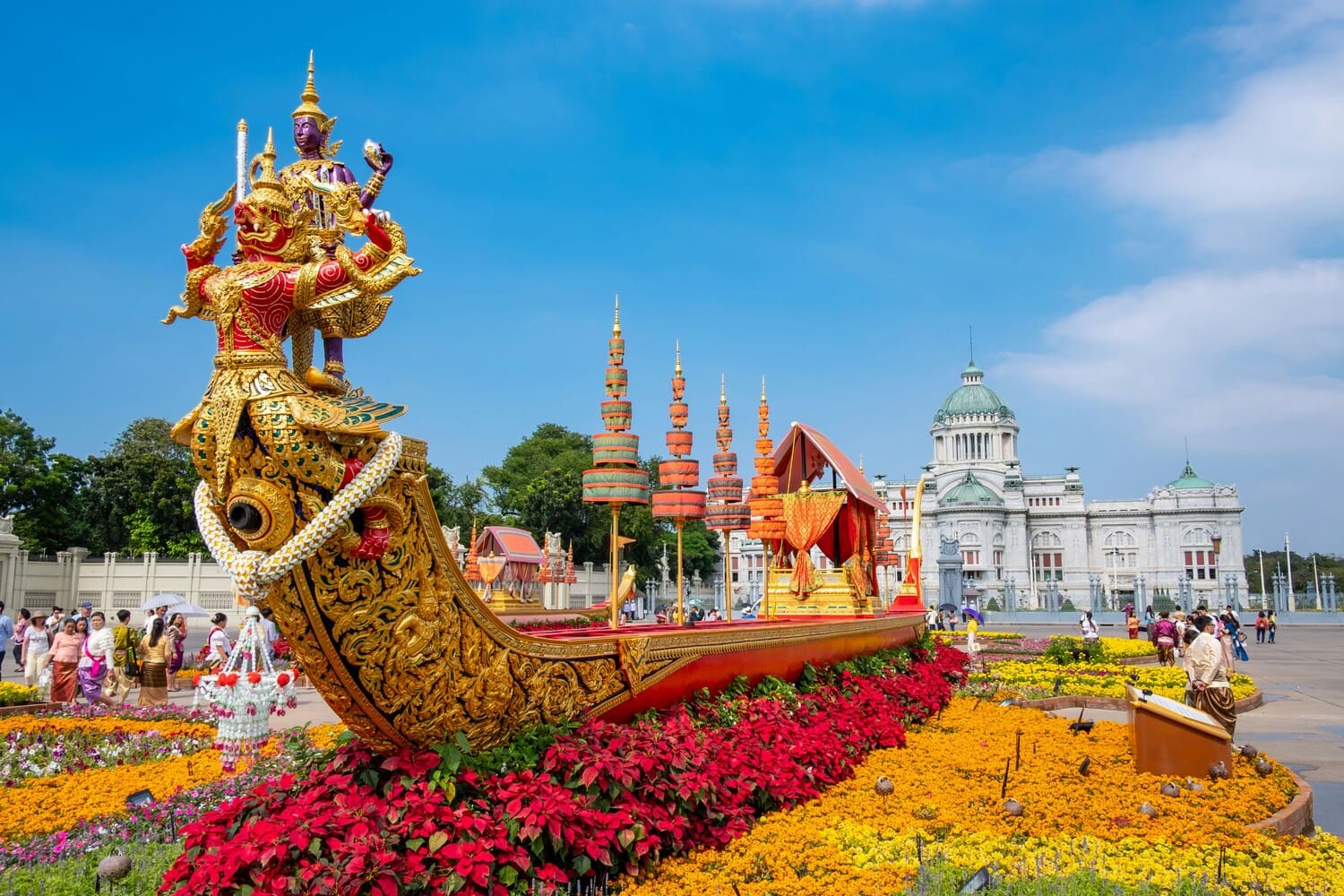
Planning your first trip to Thailand is one of the most rewarding travel decisions you can make, and this Thailand travel guide for first-time visitors is designed to give you a complete, honest, and practically useful foundation before you book your flights. Thailand consistently ranks among the most visited destinations in the world — not because of marketing, but because it genuinely delivers an experience that is richer, more varied, and more memorable than most travelers expect when they arrive.
The country offers ancient temple culture, a street food scene that belongs among the world's finest, tropical coastlines that range from quietly beautiful to dramatically spectacular, a northern mountain landscape entirely unlike the beaches that dominate the international image of the country, and a quality of hospitality that feels genuinely warm rather than commercially manufactured. All of this is available within a single destination that is well-developed for international visitors and accessible across a broad range of budgets and travel styles.
This guide covers everything a first-time visitor needs: entry requirements, the best time to visit, how to structure an itinerary, where to stay, what to eat, how to get around, cultural expectations, health preparation, and the practical tips that separate a good first trip from an exceptional one. Use it as your planning foundation, verify current conditions close to your departure date, and arrive in Thailand knowing that the groundwork has been laid for a trip worth making.
What Makes Thailand Worth Visiting for the First Time
Thailand's appeal is not a single thing. It is the accumulation of a country that does many things extraordinarily well simultaneously — and that combination is what makes a first visit so consistently surprising even for experienced travelers who arrive with well-calibrated expectations.
The temples of Bangkok and Chiang Mai are among the most architecturally and spiritually significant Buddhist sites in Southeast Asia, and experiencing them properly — with time, respect, and some understanding of their cultural context — produces an impression that no photograph prepares you for. The food culture is genuinely world-class at every level, from the most elaborate restaurant tasting menu to the most humble street cart. The beaches of the southern peninsula are among the most beautiful in Asia, and the diversity of coastal character available across the Gulf of Thailand and Andaman Sea coasts means that beach travelers have genuine choice rather than a single experience repeated across different postcodes.
In 2026, Thailand continues to invest in its tourism infrastructure and visitor experience while working to address the sustainability and overtourism challenges that have affected some of its most popular destinations. Travelers who engage with the country thoughtfully — who move beyond the obvious, eat where locals eat, and approach the culture with genuine curiosity — will find a Thailand that rewards that engagement with experiences that the standard tourist trail rarely delivers.
Entry Requirements and Visa Information
Thailand's entry requirements vary by nationality, and confirming what applies to your passport is one of the first practical steps in planning your trip. Citizens of many countries — including the United States, the United Kingdom, most European Union member states, Australia, Canada, and numerous other nationalities — can enter Thailand for tourism without a prior visa under the country's visa exemption scheme. The standard exemption period has varied in recent years and may differ by nationality, so verifying the current conditions through official Thai immigration sources or your country's embassy in Thailand is essential before finalizing your plans.
Travelers whose nationality is not covered by Thailand's visa exemption arrangements will need to obtain a Tourist Visa before departure through a Thai embassy or consulate. The Tourist Visa typically allows stays of up to 60 days and can be extended once within Thailand at an immigration office. Begin the application process well in advance of your planned departure date to allow adequate processing time.
All visitors entering Thailand must carry a valid passport with at least six months of remaining validity beyond their intended departure date, a confirmed return or onward ticket, and be able to demonstrate sufficient funds for their stay. These requirements are consistently enforced at entry points including Suvarnabhumi Airport, Don Mueang Airport, and land border crossings. Arriving without a confirmed return ticket or with a passport expiring close to your travel dates can result in complications or denial of entry that are entirely avoidable with advance preparation.
Alongside your passport and ticket, plan for the mandatory Thailand Digital Arrival Card. Travelers who prefer guided help can complete the TDAC through our online application before they lock in departure details.
Best Time to Visit Thailand
Thailand's climate is one of the most important planning factors for a first trip, and understanding how it varies by region and season is essential to choosing dates that align with your planned activities and expectations. The country does not have a single weather pattern — regional variation is significant, and the same calendar month can produce ideal conditions in one part of the country and poor conditions in another.
Thailand broadly divides into three seasons: the cool dry season from November through February, the hot dry season from March through May, and the wet season from June through October. These patterns apply most closely to the central and northern regions. The southern peninsula operates on a different schedule — with the Gulf of Thailand coast and the Andaman Sea coast experiencing their wet seasons at different times, meaning that an itinerary that includes both coasts requires careful date planning to avoid poor conditions on one side while catching good conditions on the other.
For most first-time visitors, November through February is the most recommended travel window. Conditions across the country are at their most consistently pleasant — temperatures are warm but manageable, humidity is lower, rainfall is minimal, and both the cultural north and the southern beaches are in good condition simultaneously. This is also peak season, with higher hotel rates and more crowded popular sites, but for a first trip the reliability of the conditions justifies the trade-off.
March and April offer a compromise between season quality and visitor volume, with good conditions in much of the country and slightly lower crowds outside of the Songkran water festival period in mid-April — one of Thailand's most extraordinary cultural experiences and one of its most chaotic travel periods simultaneously. The wet season from June through October delivers a quieter, more locally authentic experience for travelers who are prepared for afternoon rain and the occasional itinerary flexibility it requires.
How Long to Stay in Thailand
Thailand is a country that rewards time, and first-time visitors consistently report that their primary regret is not having stayed longer. The country is large, regionally diverse, and full of experiences that benefit from an unhurried pace — a pace that short itineraries cannot support.
For a genuinely satisfying first trip that covers both the cultural north and one coastal region, two to three weeks is the practical minimum. Two weeks gives you enough time for Bangkok, Chiang Mai, and a southern island destination if you are efficient with your transitions. Three weeks allows you to slow down at each destination, make day trips from your bases, and absorb the cultural and sensory texture of each region rather than simply passing through it.
Travelers with only ten days should resist the urge to cover everything and instead build a focused itinerary around two regions. A Bangkok and Chiang Mai trip, or a Bangkok and southern islands trip, done properly in ten days will produce a far richer experience than an itinerary that tries to include all three and does justice to none of them.
Where to Go: Thailand's Key Regions Explained
Understanding what each of Thailand's main regions offers before building your itinerary is the most important planning decision you will make. Each region has a distinct character, climate, and range of experiences, and matching your itinerary to your actual interests produces a dramatically better trip than following a standard route because it is what most visitors do.
Bangkok is the essential starting point for almost every first trip. One of Southeast Asia's great cities, Bangkok is a dense, fast-moving, visually overwhelming metropolis where gold-spired temples rise beside luxury shopping malls, street food markets operate through the night, and the Chao Phraya River connects a waterfront of royal palaces, traditional wooden houses, and neighborhood life that rewards days of on-foot exploration. Allocate at least three to five days and approach it as a destination in its own right rather than a gateway to be passed through quickly.
Chiang Mai and northern Thailand offer a cooler, more measured pace and a Buddhist cultural identity that feels deeply rooted and authentic in ways that are harder to access in Bangkok's urban energy. The city's old town is enclosed within a historic moat and contains dozens of working temples, a thriving arts and craft scene, some of Thailand's finest cooking schools, and a Saturday and Sunday night walking street market that is among the best market experiences in the country. The surrounding mountain landscape — accessible on guided day trips — adds trekking, hill tribe village visits, and jungle scenery that represents an entirely different face of Thailand.
The Gulf of Thailand coast — anchored by Koh Samui, Koh Phangan, and Koh Tao — offers the classic Thai island experience in a setting that ranges from well-developed resort infrastructure on Koh Samui to the more intimate and activity-focused character of Koh Tao, which is one of the world's most accessible and affordable locations for beginner scuba diving certification.
The Andaman Sea coast — including Phuket, Krabi, Koh Lanta, and the Phi Phi Islands — is Thailand's most visually spectacular coastal region, defined by limestone karst formations rising from turquoise water, long white sand beaches, and a range of accommodation and activity options that span every budget and travel style. This coast is best visited between November and April when the Andaman Sea is calm and clear.
Top Experiences in Thailand for First-Time Visitors
Thailand's breadth means that a first trip can be shaped around many different combinations of interest and pace. The following experiences represent the encounters that most consistently define what makes Thailand distinctive and worth returning to.
- Visit Bangkok's major temples: Wat Pho, Wat Arun, and the Grand Palace complex are among the most remarkable Buddhist and royal cultural sites in Southeast Asia. Visit in the morning when crowds are thinner and the light on the gilded architecture is at its most dramatic. Dress modestly — covered shoulders and knees are required — and take your time rather than rushing through with a tour group.
- Eat Bangkok's street food seriously: Bangkok is one of the world's greatest street food cities, and experiencing it properly — in Yaowarat (Chinatown), at the Or Tor Kor market, along the street carts of Silom and Sukhumvit, and in the neighborhood markets that local residents use daily — is one of the most immediately rewarding and culturally rich experiences available anywhere in Asia.
- Take a cooking class in Chiang Mai: Thai cooking classes in Chiang Mai typically begin with a market visit to source ingredients and cover a range of signature dishes across a half-day session. They are among the best-value and most genuinely educational travel experiences available in the country, and the skills and recipes translate directly into the kitchen when you return home.
- Explore Chiang Mai's temples at dawn: The old city's temples — particularly Wat Chedi Luang and Wat Phra Singh — are at their most atmospheric in the early morning when monks are in residence and the tourist crowds have not yet arrived. A quiet hour in a working Thai temple at dawn is an experience that fundamentally changes your understanding of Buddhism as a living practice rather than a historical artifact.
- Take a boat through Phang Nga Bay: The limestone karst formations of Phang Nga Bay, accessible from Phuket or Krabi, are among the most spectacular natural landscapes in Thailand. A day trip by longtail boat or sea kayak through the bay's sea caves, mangrove channels, and towering rock formations is an experience that no photograph adequately prepares you for.
- Learn to dive on Koh Tao: The warm, clear waters around Koh Tao offer some of the most accessible and affordable beginner dive conditions in the world. A PADI Open Water certification course takes three to four days and is available at dozens of reputable schools on the island at a fraction of the cost charged in Europe, North America, or Australia.
- Visit a local Thai market: The Chatuchak Weekend Market in Bangkok, the Sunday Walking Street in Chiang Mai, and the local floating markets of the central region all offer direct, unmediated access to Thai food culture, craft tradition, and daily commerce that organized tourist experiences rarely replicate. Give yourself time at a market rather than passing through it quickly.
Thai Culture and How to Engage with It Respectfully
Thailand has a deeply rooted cultural and religious identity that is actively observed in daily life rather than preserved for tourist consumption, and first-time visitors who engage with it seriously will find that their experience of the country deepens significantly as a result. Understanding a few core cultural principles before you arrive is not an optional extra — it is a genuine contribution to the quality of your own trip.
Buddhism shapes Thai life in ways that are visible everywhere — in the temple at the end of a neighborhood street, in the spirit houses outside every home and business, in the monks who walk the early morning streets collecting alms, and in the calendar of Buddhist holidays and ceremonies that structures the social year. Approaching temples and Buddhist practice with genuine respect — dressing appropriately, removing shoes, keeping voices quiet, and observing rather than performing your visit — is both culturally correct and personally more rewarding than treating sacred spaces as scenic backdrops.
The Thai monarchy is regarded with profound and sincere reverence by the Thai people, and the country's lèse-majesté laws make any public disrespect toward the royal family a serious legal matter that applies to international visitors without exception. This is not a cultural sensitivity to be navigated carefully — it is a legal reality to be respected absolutely.
Thai social culture places significant value on maintaining face — avoiding public embarrassment, confrontation, or loss of dignity for either party in any interaction. Responding to frustration with a raised voice or overt displeasure is both culturally inappropriate and practically counterproductive. Patience, a calm manner, and a willingness to find solutions through indirect and polite communication will serve you more effectively in every difficult situation you encounter in Thailand.
Food and Eating in Thailand
Thai cuisine is one of the most celebrated food cultures in the world, and experiencing it as a genuine traveler rather than a cautious tourist is one of the highest returns available from any visit to the country. The gap between the Thai food available at tourist-oriented restaurants and what is being cooked and eaten in local markets, neighborhood canteens, and family-run street stalls is wide enough to represent two entirely different culinary experiences.
Regional variation is one of the most important things to understand before you arrive. Central Thai cuisine — coconut-based curries, fragrant soups, stir-fried dishes built on the balance of sweet, sour, salty, and spicy that defines the cooking style — is what most international visitors know as Thai food. Northern cuisine is markedly different: less coconut, more fermented and pickled flavors, sticky rice rather than jasmine, and dishes like khao soi — a Burmese-influenced coconut curry noodle soup — that are among the most complex and satisfying things you will eat anywhere in the country. Southern Thai food is hotter and more intensely spiced than either, with strong Malay and Indonesian influences that reflect the region's geography.
Seek out the places where Thai people eat rather than the restaurants designed for international visitors. A plastic-stool street stall with five items on the menu and a queue of local office workers is almost always producing better food than the air-conditioned restaurant around the corner with an English-language menu and tourist pricing. The willingness to eat in unfamiliar environments is the single most reliable way to access the food that makes Thailand genuinely exceptional.
Getting Around Thailand
Thailand's domestic transport network is well-developed by regional standards, and moving between the country's main destinations is manageable for first-time visitors who plan their transitions in advance.
Domestic flights are the fastest option for long-distance travel between regions — Bangkok to Chiang Mai, Bangkok to Phuket, Chiang Mai to Koh Samui — and Thailand's competitive domestic airline market produces affordable fares when booked in advance. Note that Bangkok has two airports: Suvarnabhumi handles most international and full-service domestic routes, while Don Mueang handles budget domestic carriers. Confirming which airport your domestic departure uses — and building adequate transfer time between the two if you are connecting from an international arrival — is an important logistical detail that first-time visitors frequently overlook.
The overnight train between Bangkok and Chiang Mai is a well-regarded alternative to flying for travelers with time and an interest in the journey itself. Sleeper services are comfortable, scenic, and significantly more affordable than flights, arriving in Chiang Mai in the morning after a night on board. Booking in advance through the State Railway of Thailand website or a reputable agent is recommended during the high season.
Within cities, the Grab ride-hailing app is the most reliable and transparent transport option for international visitors across all major Thai destinations. Fixed fares are displayed before you confirm the booking, eliminating the negotiation and occasional overcharging that can affect metered taxi and tuk-tuk experiences. In Bangkok, the BTS Skytrain and MRT subway cover the main tourist, business, and shopping areas efficiently and are straightforward to use with tourist passes available at station counters.
Health Preparation for Thailand
Thorough health preparation is one of the most important practical steps for any first-time visitor to Thailand, and it should begin at least four to six weeks before your departure date to allow adequate time for vaccination courses that require multiple doses.
Hepatitis A vaccination is strongly recommended for travelers who plan to eat at local markets, street stalls, and neighborhood restaurants — which should describe every first-time visitor serious about experiencing Thai food culture. Typhoid vaccination is also commonly recommended for similar reasons. Confirm that your routine vaccinations are current, and consult your doctor or a dedicated travel health clinic for personalized recommendations based on your itinerary, health history, and planned activities.
Dengue fever is present across Thailand and represents a more widespread risk than malaria for most visitor itineraries. It is transmitted by daytime-biting mosquitoes and there is no broadly available vaccine for international travelers, making personal protection the primary defense. Apply insect repellent containing DEET or picaridin during daytime hours and particularly in the early morning and late afternoon when mosquito activity is highest.
Drink bottled or purified water consistently throughout your trip. Tap water in Thailand is not safe to drink, and this applies throughout the country including major cities and established hotels. Food safety is best managed by eating at busy, high-turnover venues where food is cooked fresh to order. Carrying oral rehydration sachets and antidiarrheal medication as part of your travel health kit is standard practice for any visit to Southeast Asia.
Money and Budget in Thailand
Thailand uses the Thai baht (THB) as its currency. ATMs are widely accessible across the country including in smaller tourist towns and island destinations, and most machines accept international Visa and Mastercard cards. Thai banks charge a per-transaction fee for international cards that can add up across a multi-week trip — withdrawing larger amounts less frequently is the more cost-effective strategy.
Cash remains essential for day-to-day spending throughout Thailand. Street food stalls, local markets, tuk-tuks, motorbike taxis, smaller guesthouses, and most transactions away from major hotels and commercial establishments operate on a cash basis. Keeping an adequate supply of baht in accessible denominations — including smaller bills for street food and transport — is a practical necessity throughout your trip.
Thailand accommodates an exceptionally wide range of travel budgets. The cost of street food, guesthouses, local transport, and market shopping is low by international standards, while the quality of mid-range and luxury accommodation, fine dining, and premium experiences — particularly in Bangkok and the major resort areas — is competitive with much more expensive destinations globally. Travelers who mix budget and mid-range spending intelligently — eating at street stalls and local restaurants while staying in quality accommodation — consistently find Thailand outstanding value for the quality of experience it delivers.
Practical Travel Tips for First-Time Visitors
- Download Grab before you arrive: The ride-hailing app works across all major Thai cities and removes the pricing uncertainty that can affect tuk-tuk and taxi negotiations for first-time visitors unfamiliar with fair local fares.
- Carry a modest outfit for temple visits at all times: A lightweight scarf or sarong and a shirt that covers your shoulders takes minimal bag space and ensures you are never turned away from a temple visit because of dress code requirements.
- Book domestic flights in advance: High-season flights between Bangkok and Chiang Mai or Bangkok and southern island airports sell out and increase significantly in price as departure dates approach. Book as soon as your itinerary is confirmed.
- Learn a few basic Thai phrases: Sawasdee krap or ka (hello), khob khun krap or ka (thank you), and mai pen rai (no worries) — delivered with a genuine attempt at correct pronunciation — are consistently received with warmth and open doors that a purely English-based interaction does not.
- Allocate more time to Bangkok than you think you need: Most first-time visitors underestimate Bangkok and rush through it on the way to beaches or temples. Three days minimum, five days comfortably — the city consistently reveals more the longer you stay.
- Be strategic about the southern coast timing: The Gulf and Andaman coasts have different wet seasons. If your trip includes both, research which side is in good condition during your specific travel dates rather than assuming both are equally good simultaneously.
- Eat breakfast at local markets: Thai morning markets — selling rice congee, noodle soups, grilled meats, and fresh fruit — are one of the most immediate and affordable ways to engage with daily Thai life and access food that hotel breakfast buffets cannot replicate at any price.
- Negotiate tuk-tuk fares before you get in: Tuk-tuks in tourist areas operate without meters and the fare should be agreed before departure. Having a rough sense of fair fares for common journeys in your destination city before you need them removes the uncertainty from the negotiation.
Common Mistakes to Avoid on Your First Trip to Thailand
⚠️ Avoid These First-Timer Mistakes
- Do not overpack your itinerary — Thailand is large and regional transitions take time, and an itinerary that tries to cover too much produces a trip that is exhausting rather than enriching.
- Do not visit temples in inappropriate clothing — dress requirements are enforced, and arriving without covered shoulders and knees means being turned away or renting unflattering cover-ups at the entrance.
- Do not eat exclusively at tourist-oriented restaurants — the quality gap between what is served on English-language tourist menus and what is available at local street stalls and markets is one of the widest in the world.
- Do not underestimate Bangkok — three to five days in the capital is a minimum for a meaningful experience, not a generous allocation.
- Do not assume both Thai coasts are in good condition at the same time — the Gulf and Andaman coasts have different weather patterns, and choosing the wrong one for your travel dates affects the experience significantly.
- Do not drink tap water anywhere in Thailand — bottled or purified water is the consistent standard throughout the country.
- Do not make any disrespectful comments or gestures regarding the Thai royal family — lèse-majesté laws are enforced without exception and apply to international visitors.
- Do not leave health preparation until close to departure — recommended vaccinations may require multiple doses over several weeks and cannot be compressed into a shorter timeline.
- Do not confirm domestic flights without checking which Bangkok airport they depart from — the distance between Suvarnabhumi and Don Mueang requires meaningful transfer time that itineraries built without this knowledge frequently fail to account for.
Final Planning Checklist for Your First Trip to Thailand
- Verify the current entry requirements and visa conditions for your nationality through official Thai immigration sources at least six weeks before departure.
- Confirm your passport has at least six months of remaining validity beyond your intended return date.
- Consult a doctor or travel health clinic at least four to six weeks before travel for personalized vaccination and health preparation advice.
- Purchase comprehensive travel insurance that includes medical expense coverage, emergency evacuation, and trip cancellation — and confirm that all planned activities are covered under the policy.
- Book domestic flights within Thailand in advance, particularly for high-season travel between major destinations.
- Research the seasonal weather conditions for each region of your itinerary and confirm that your travel dates align with good conditions at each destination.
- Download Grab and confirm your payment method before arrival for reliable in-city transport.
- Notify your bank and payment card providers of your travel dates and destination before departure.
- Pack lightweight, modest clothing appropriate for temple visits alongside beach and outdoor activity wear.
- Include insect repellent with DEET or picaridin, oral rehydration sachets, antidiarrheal medication, and quality sunscreen in your travel health kit.
- Build genuine flexibility into your itinerary — the best experiences in Thailand consistently happen in the unplanned spaces between organized activities.
Thailand for First-Time Visitors: What to Expect
Thailand is a destination that exceeds expectations for almost every first-time visitor who arrives with genuine curiosity and adequate preparation. The temples are more moving than photographs suggest. The food is better than anything labeled Thai outside the country has prepared you for. The warmth of Thai hospitality is real rather than transactional. And the range of experience available — from the urban intensity of Bangkok to the mountain serenity of northern Chiang Mai to the coastal beauty of the southern islands — within a single two or three week trip is broader than most destinations deliver across a lifetime of return visits.
Plan your first trip with enough structure to cover the ground you want to cover and enough flexibility to follow the unexpected discoveries that define the best travel anywhere. Eat beyond your comfort zone. Spend more time in Bangkok than your instincts tell you to. Learn a few words of Thai. Approach the temples with respect and patience. And build in at least one day at each destination with nothing scheduled at all.
Thailand in 2026 is ready to deliver an exceptional first experience. The preparation is yours to do before you leave. Everything else the country provides.
Written by
James Walcott
Senior Travel Writer
James has been covering Caribbean travel, immigration, and culture for over 8 years. Based between Bridgetown and London, he specializes in making complex travel processes easy to understand.
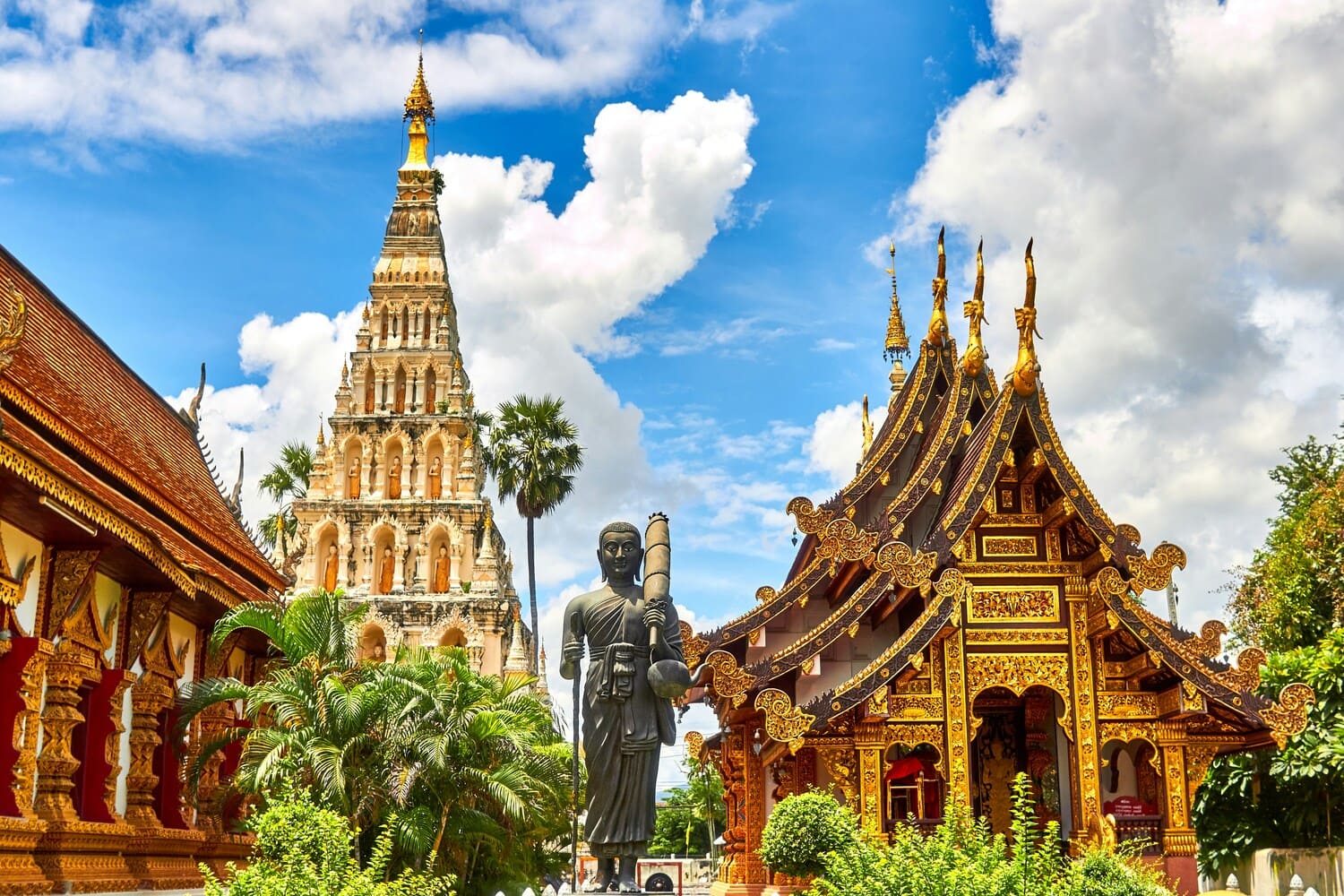
Thailand Visa Exemption for Tourists
Tourists from 93+ countries now get 60 days visa‑exempt entry to Thailand in 2026 — rules, limits and extension options.
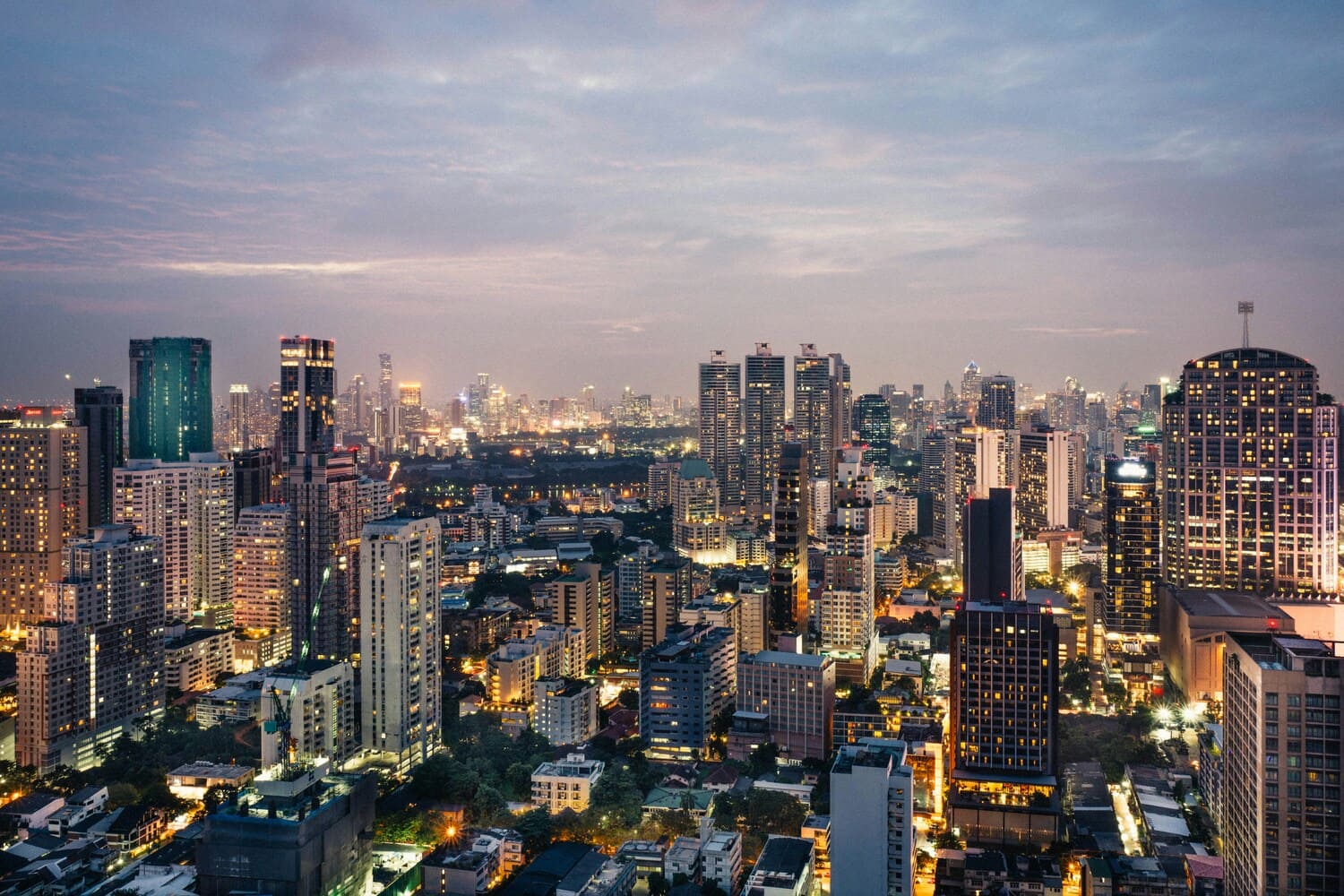
Your First Trip to Thailand 2026
Plan your first visit to Thailand in 2026 — where to go, what to pack and what to know before you fly.